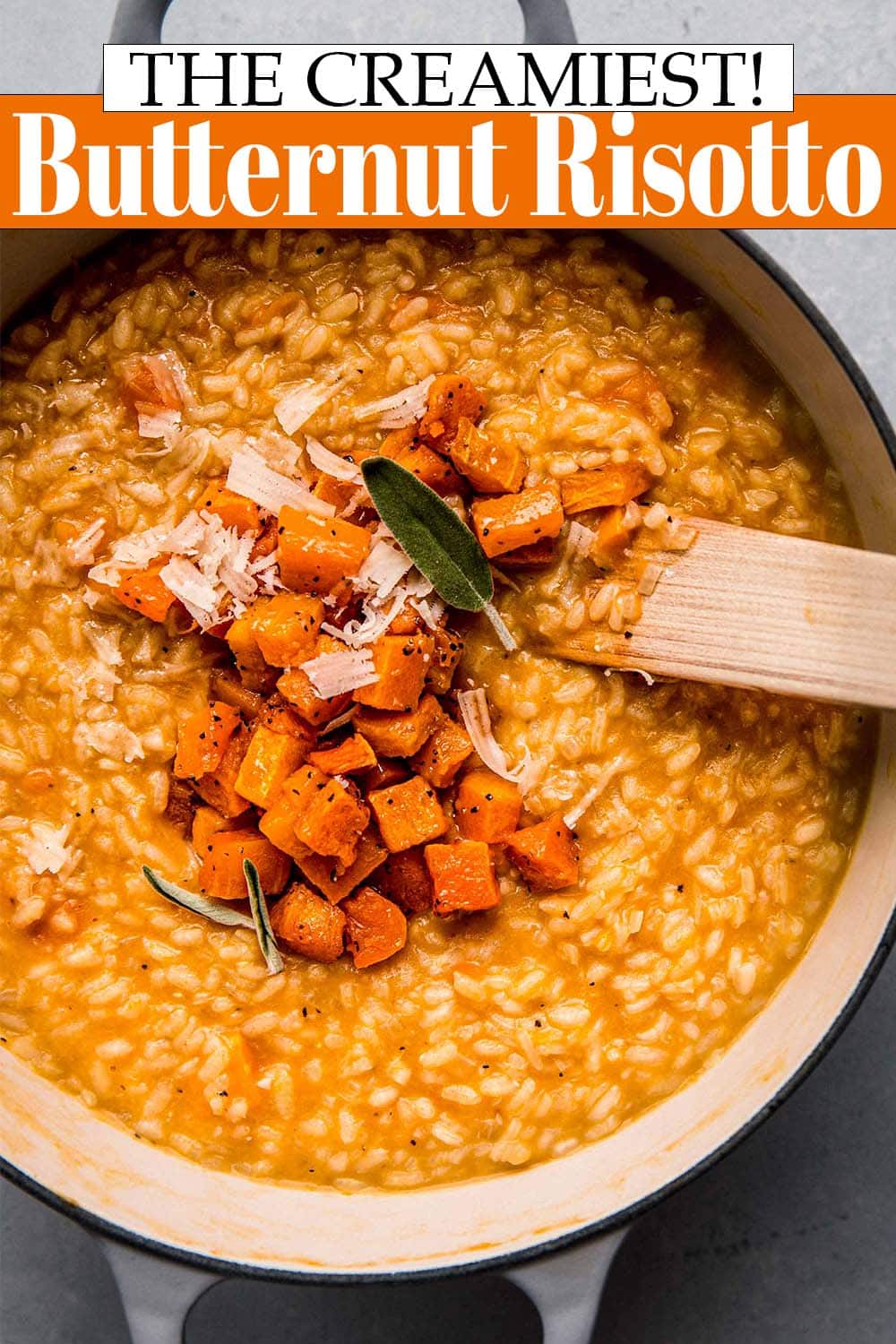
The Best Roasted Butternut Squash Risotto for Heavenly Fall Flavors
As the leaves begin to turn and a crispness fills the air, there's nothing quite as comforting and inviting as a warm, hearty meal that captures the essence of autumn. Among the myriad of fall dishes, one stands out for its luxurious creaminess, vibrant color, and irresistible depth of flavor: the quintessential
butternut squash risotto. This isn't just any risotto; it's a celebration of seasonal ingredients, transformed into a dish so dreamy and heavenly, it promises to warm you from the inside out with every single bite.
Imagine tender, caramelized butternut squash melting into a luscious bed of Arborio rice, infused with aromatic herbs and rich Parmesan cheese. This dish isn't merely food; it's an experience, a meditative culinary journey that culminates in a truly unforgettable taste of fall. If you've ever felt intimidated by homemade risotto, let us assure you, the process is surprisingly easy and incredibly rewarding.
Why Butternut Squash Risotto is Your Autumn Must-Have
Butternut squash, with its naturally buttery, earthy, and subtly sweet flavor, is truly a gift of the fall harvest. Its robust character makes it the perfect companion for creamy dishes, lending itself beautifully to everything from soups and curries to pasta and, of course, risotto. When roasted, as we'll emphasize in our recipe, the squash develops an even deeper, sweeter, and more complex profile, caramelizing beautifully to enhance those "heavenly fall flavors" that make this dish so special.
Beyond its delectable taste, butternut squash is packed with nutrients, offering a wholesome foundation for a comforting meal. Paired with the rich, absorbent Arborio rice, aromatic sage, and salty Parmesan, it creates a symphony of textures and tastes that is both indulgent and deeply satisfying. This
Easy Butternut Squash Risotto isn't just a recipe; it's your go-to fall comfort food, designed to be both simple to execute and spectacularly flavorful.
Mastering the Art of Creamy Butternut Squash Risotto
Crafting the perfect
butternut squash risotto is less about complex techniques and more about patience and high-quality ingredients. The magic happens through the gradual addition of warm broth and continuous stirring, which coaxes the starches out of the Arborio rice, creating that signature creamy texture without adding actual cream.
Preparing the Star Ingredient: Roasted Butternut Squash
For the ultimate flavor, we advocate roasting the butternut squash rather than cooking it directly in the pot. This step is crucial for achieving those desirable caramelized notes.
- Peel and Chop: Carefully peel your butternut squash. Using a sturdy vegetable peeler or a sharp knife, remove the tough outer skin. Halve the squash lengthwise, scoop out and discard the fibrous seeds and pulp. Then, cut the squash into small, uniform cubes, roughly 1/2 to 3/4 inch in size. You'll need about 2-3 cups.
- Season and Roast: Toss the cubed squash with a drizzle of olive oil, a pinch of salt, and freshly ground black pepper. Spread them in a single layer on a baking sheet. Roast in a preheated oven at approximately 400°F (200°C) for 20-25 minutes, or until the squash is fork-tender and beautifully caramelized at the edges. This roasting process intensifies its natural sweetness and adds incredible depth.
Building the Risotto Base: Aromatics and Rice
While your squash roasts, you can begin the foundation of your risotto.
- Warm the Broth: In a separate saucepan, bring about 6 cups of good quality vegetable or chicken broth to a gentle simmer. Reduce the heat to very low, ensuring the broth stays warm throughout the cooking process. *This step is non-negotiable for evenly cooked risotto.* Adding cold liquid would shock the rice, slowing down cooking and hindering starch release.
- Sauté Aromatics: In a large, heavy-bottomed pot or Dutch oven, melt half a stick (about 2 tablespoons) of unsalted butter over medium heat. Add one thinly sliced small onion or a couple of shallots and sauté gently for about 5-7 minutes, stirring occasionally, until they are softened and translucent but not browned. If desired, add a clove or two of minced garlic in the last minute of sautéing until fragrant.
- Toast the Rice: Add 1.5 cups of Arborio rice (or another short-grain risotto rice) to the softened aromatics. Stir constantly for about 1 minute, toasting the rice until the edges become translucent and it smells slightly nutty. This helps the grains hold their shape and contributes to the risotto's texture.
- Deglaze with Wine (Optional): Pour in 1/2 cup of dry white wine or dry vermouth. Stir until the liquid is completely absorbed by the rice. The alcohol cooks off, leaving behind a subtle acidity that brightens the dish.
The Patience of Perfection: Broth and Stirring
This is where the magic of risotto truly unfolds, and it's surprisingly meditative.
- Gradual Broth Addition: Add one to two ladles (about 1/2 cup) of the warm simmering broth to the rice. Stir constantly, allowing the rice to slowly absorb the liquid. As soon as most of the liquid has been absorbed and you can see the bottom of the pan briefly when you pull a spoon through, add another ladle or two of broth. Continue this process, ladle by ladle, stirring almost continuously.
- Achieving Al Dente: The key is to keep adding liquid only as it's absorbed, never drowning the rice. You should always see some liquid gently bubbling around the rice. This constant stirring and gradual hydration coaxes the starch from the rice grains, creating that incredibly creamy, velvety texture. Continue for 18-20 minutes, or until the rice is *al dente* – cooked through but still with a slight bite or firmness in the center. Each grain should be plump, well-coated with a brilliant yellow, dense, and syrupy-looking stock. The risotto should be thick enough to eat with a fork, yet still have a flowing, luxurious consistency.
The Grand Finale: Finishing Touches
Just before serving, elevate your
butternut squash risotto with a final flourish of flavor and richness.
- Integrate Squash and Cheese: Once the rice is *al dente*, remove the pot from the heat. Stir in about two-thirds of your roasted butternut squash, allowing some chunks to remain, and others to break down slightly, blending into the creamy rice. Immediately stir in the remaining butter (about 2 tablespoons), a generous handful (around 1/2 cup) of freshly grated Parmigiano-Reggiano cheese, and a pinch of freshly ground black pepper. If using fresh sage, chop about 1-2 tablespoons and stir it in now.
- Taste and Adjust: Taste your risotto and adjust seasoning with salt and pepper as needed. The cheese adds saltiness, so taste before adding more.
- Serve Immediately: Risotto, especially this heavenly Mastering Creamy Butternut Squash Risotto: Tips for Perfection, is best served piping hot and fresh. It cannot be successfully reheated while retaining its ideal creamy texture. Garnish with the remaining roasted squash pieces and a sprinkle of extra Parmesan cheese and fresh sage leaves.
Tips for Elevating Your Butternut Squash Risotto Experience
*
Quality Ingredients Matter: Use good quality Arborio rice for its high starch content, fresh sage for its pungent aroma, and authentic Parmigiano-Reggiano for its salty, nutty depth.
*
Don't Rush the Broth: Keeping your broth warm and adding it gradually is the secret to creamy, perfectly cooked risotto.
*
Stir with Intention: While constant stirring is key, it doesn't need to be vigorous. A gentle, consistent stir is enough to release the starches.
*
Taste as You Go: Season throughout the cooking process. Taste the broth, taste the rice, and adjust salt and pepper.
*
Garnish Creatively: Beyond extra cheese and sage, consider a drizzle of high-quality balsamic glaze, toasted pecans or walnuts, or even a swirl of goat cheese or crème fraîche for added richness and tang.
*
Leftovers: While fresh is best, leftover risotto can be repurposed! Form into arancini (fried risotto balls), or use as a base for an omelet or frittata.
Unleash Your Inner Risotto Chef: Beyond the Basics
Once you've mastered this divine
butternut squash risotto, feel free to experiment with your own twists. Consider adding a pinch of nutmeg or a hint of cinnamon for a deeper fall spice profile. Sauté some pancetta or crispy prosciutto at the beginning for a smoky, savory dimension. For a vegetarian option, wild mushrooms sautéed with the shallots would make an exquisite addition.
This autumn staple is more than just a dish; it's a testament to the joy of seasonal cooking and the simple pleasure of a truly satisfying meal. Embrace the process, savor the aromas, and delight in the heavenly flavors of the best roasted butternut squash risotto you'll ever make.
Conclusion
The best
butternut squash risotto is a dish that embodies the very soul of autumn. Its vibrant color, comforting warmth, and profoundly satisfying flavor make it an essential part of any fall culinary repertoire. By embracing the simple, meditative process of gradual stirring and leveraging the incredible depth of roasted butternut squash, you can create a truly heavenly meal that will impress guests and delight your family. So, gather your ingredients, take a deep breath, and embark on a delicious journey into the heart of fall flavors. Your taste buds will thank you.